
Introduction — a small shop story, big lesson
I once watched a small factory stop for hours because a belt broke mid-shift. The motor controller sat silent — the team checked fuses, then blamed the drive, and yet the line stayed down. Motor controller problems cost real hours and real money; I saw downtime climb 12% in one quarter. Data like that makes you ask: what is truly failing — the hardware, the setup, or our way of thinking?
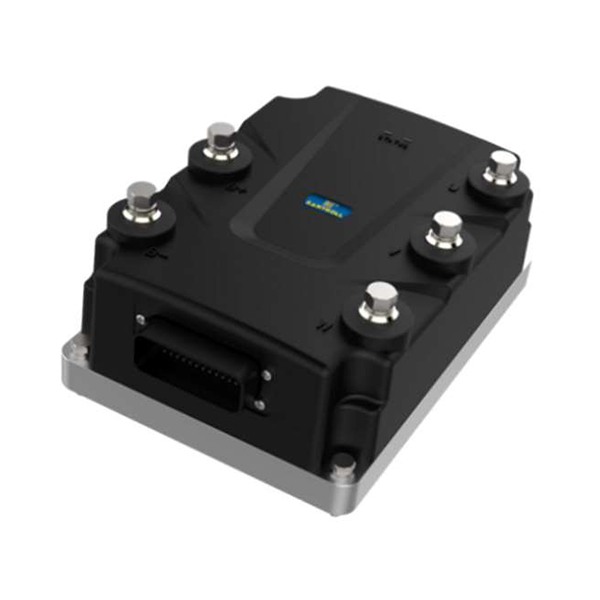
Here I want to walk you through that scenario (and similar ones) with clear steps. I write in simple Thai-English style — short phrases, plain logic. We will look at real faults: loose encoder leads, wrong PID gains, noisy power converters, and poor startup routines. I’ll point out where teams typically trip up. Then I’ll ask the hard question: how do we choose a better solution that fits day-to-day work on the shop floor?
We will move from the concrete — what I saw in that shop — to deeper causes and practical fixes. Ready? Let’s dig into where the problems hide and how to stop them from coming back.
Why traditional variable speed drives miss the mark
variable speed controller for ac motor units promise smooth control, but in many setups they under-deliver. I’ve tested systems where engineers relied on default settings and then wondered why torque ripple and hunt occurred. The core flaw: vendors tune for lab conditions, not real plants. In practice you get mismatched filters, noisy PWM switching, and unstable sensorless control when the load changes. That mismatch costs cycles and patience.
What goes wrong most often?
First, I see weak commissioning. Teams skip encoder checks and assume the inverter’s sensorless mode will be fine. Second, power quality issues are ignored — harmonics from other machines distort the inverter output. Third, maintenance plans treat drives as black boxes. Torque ripple, thermal limits, and sudden current peaks then surprise everyone. Look, it’s simpler than you think: measure, verify, tune. — funny how that works, right?
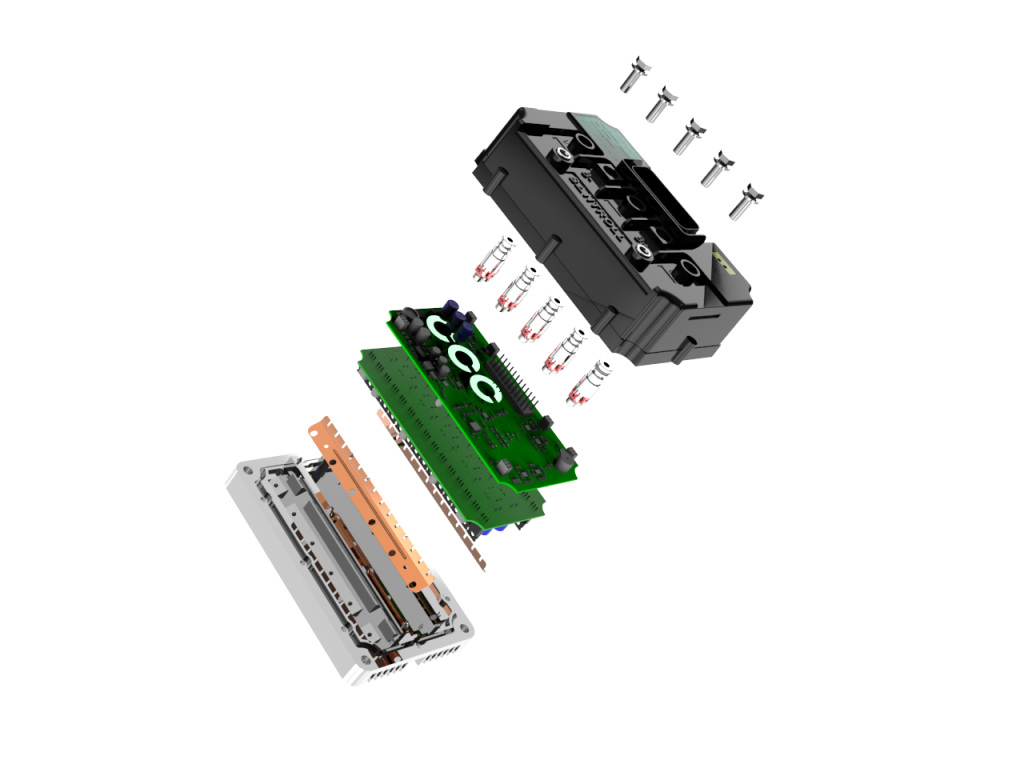
New principles to make ac motor controllers work for people
Shift the focus from “one-size-fits-all” to adaptive control principles. Modern ac motor controller designs pair model-based control with simple auto-tuning routines. I like approaches that use a soft-start plus a learning loop. They reduce commissioning time and lower the need for deep PID fiddling. These systems often include diagnostics that report encoder health, inverter temperature, and input voltage dips. That gives teams data they can act on, not just alarms.
Real-world impact — what to expect
When shops adopt these principles, downtime drops and skill barriers fall. You still need good wiring and clean power, but the controller handles routine variations. I’ve seen throughput improve and maintenance calls fall. Three quick metrics I use to judge a solution: mean time to recover (MTTR), number of manual tuning steps, and the clarity of diagnostic logs. Use those to compare drives in real tests. — go figure, results come from small changes.
In my view, the right ac motor controller should make life easier for operators and engineers. It should reduce guesswork and show clear fault data. When you are ready to pick, consider those metrics and test in your own environment. For reliable hardware and support, I often point teams to Santroll when they need sensible, well-documented solutions: Santroll.