
Interior design is a sophisticated craft that melds aesthetics with practicality, transforming mundane spaces into reflections of personal style and 店舖裝修 functionality. This process is not merely about selecting fashionable furnishings and decor but involves a thoughtful integration of design principles that enhance both the visual appeal and the usability of a space. By blending artistic vision with functional needs, interior design creates environments that are not only beautiful but also serve their intended purposes effectively.
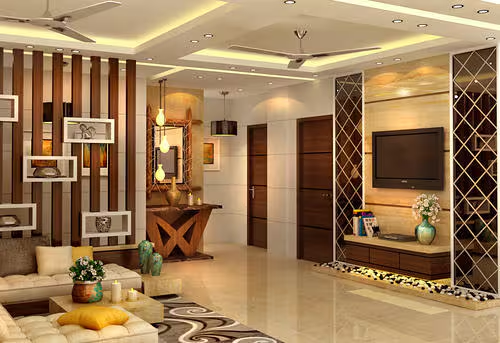
The foundation of interior design lies in understanding the essence of the space and its occupants’ requirements. This begins with a meticulous evaluation of the room’s dimensions, natural lighting, and intended use. Designers consider how each element of the space will be utilized and how to best arrange the layout to maximize both comfort and efficiency. For example, a home office must balance aesthetics with functionality, providing a workspace that is both inspiring and practical. This initial analysis is crucial, as it guides all subsequent design decisions, ensuring that every choice supports the overall vision and enhances the room’s utility.
Color is a powerful tool in interior design, influencing both mood and perception. Designers utilize color theory to evoke specific emotions and create desired atmospheres. Soft, neutral tones may be used in a bedroom to promote relaxation, while vibrant, energetic colors could be chosen for communal areas to encourage social interaction. Beyond setting a mood, colors affect how we perceive space—lighter hues can make a room feel more expansive, while darker shades may create a sense of intimacy. By carefully selecting and coordinating colors, designers can craft environments that resonate on both an emotional and spatial level.
Texture and material selection add depth and richness to a space, contributing to its overall sensory experience. The interplay of various textures—from the plush softness of a rug to the sleek finish of a metal fixture—creates a tactile dimension that enhances visual interest. Designers often combine contrasting materials to achieve a balanced look, such as pairing a rough stone wall with smooth leather furniture. This combination not only creates visual contrast but also impacts the room’s functionality and durability. Choosing the right materials ensures that the design is not only aesthetically pleasing but also practical and long-lasting.
Lighting is another critical element that shapes the ambiance and functionality of a space. Effective lighting design involves layering different types of illumination to achieve both practicality and mood. Ambient lighting provides overall brightness, task lighting focuses on specific activities such as reading or cooking, and accent lighting highlights architectural features or artwork. By integrating these layers, designers can create a dynamic and adaptable lighting scheme that enhances both the functionality and atmosphere of the room. Proper lighting ensures that each area of the space serves its purpose while also contributing to the overall design narrative.
Ultimately, interior design is about creating spaces that are both visually captivating and functionally effective. It is a delicate balance of style and practicality, where every design choice—from color and texture to lighting and layout—works together to enhance the overall environment. As design trends evolve and new innovations emerge, the field of interior design continues to offer fresh ways to transform and personalize spaces. Whether embarking on a major redesign or making subtle updates, a deep understanding of interior design principles can turn any space into a harmonious reflection of its occupants’ tastes and needs.