
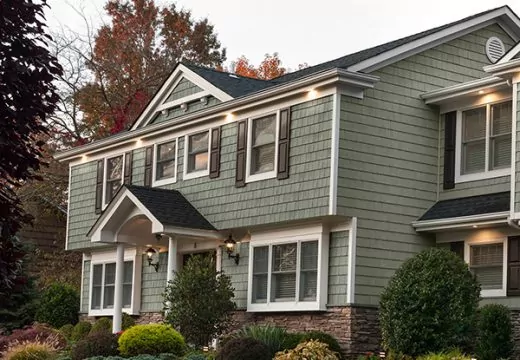
When it comes to exterior home design in the United States, few materials capture the charm, durability, and natural beauty of shake siding—particularly cedar shakes. This siding style has remained a hallmark of American architecture for centuries shake siding cedar shakes , admired for its rustic appeal and ability to withstand diverse weather conditions. Today, as homeowners and contractors seek a balance between performance and aesthetics, cedar shake siding continues to be a leading option for residential and commercial properties alike.
The Origins and Popularity of Shake Siding
Shake siding dates back to early colonial America, when wood was the primary building material. Settlers hand-split logs into shakes—thicker and rougher than traditional shingles—to cover homes and outbuildings. Over time, this technique evolved into a distinct siding style characterized by its textured, layered appearance.
In modern construction across the United States, cedar shakes are particularly favored because they combine tradition with resilience. Western Red Cedar, sourced from the Pacific Northwest, is the most common species used. Contractors and homeowners alike appreciate it for its ability to resist decay, repel insects, and endure harsh weather—qualities that make it ideal for both coastal and inland regions.
Distinguishing Shakes from Shingles
While “shakes” and “shingles” are often used interchangeably, they differ in texture, manufacturing, and appearance. Shingles are uniformly cut by machines, providing a smooth and consistent look. Shakes, however, are typically hand-split or sawed, creating a more rugged and dimensional surface. This natural variation gives shake siding a distinctive visual depth that many homeowners desire for traditional or cottage-style designs.
Cedar shakes, in particular, bring a warmth and authenticity that synthetic materials struggle to replicate. Even as fiber cement and vinyl alternatives rise in popularity, real cedar shake siding remains unmatched for homeowners seeking a genuine, timeless aesthetic.
Benefits of Cedar Shake Siding
Cedar shake siding provides both visual charm and practical advantages that justify its continued use in American construction.
- Durability and Longevity – With proper installation and maintenance, cedar shake siding can last 30–50 years. The natural oils in cedar make it resistant to moisture, rot, and pests.
- Insulating Properties – Cedar acts as a natural insulator, improving energy efficiency by keeping homes warmer in winter and cooler in summer.
- Aesthetic Flexibility – Available in various grades, cuts, and finishes, cedar shakes complement architectural styles from Cape Cod to Craftsman homes.
- Eco-Friendliness – Cedar is a renewable, biodegradable material that supports sustainable building practices, especially when sourced from certified forests.
- Weather Resistance – Cedar shakes can handle everything from Pacific rainstorms to Midwest winds and Northeastern snow, making them a versatile siding choice nationwide.
Installation: The Contractor’s Perspective
Installing shake siding requires specialized skills and attention to detail. U.S. contractors typically follow a layered installation method that ensures water resistance and ventilation behind the siding.
The process usually begins with a weather-resistant barrier applied to the exterior sheathing. Then, shakes are installed in overlapping rows, starting at the bottom and moving upward. Each shake is nailed individually, allowing slight spacing for natural expansion and contraction due to temperature and humidity changes.
In regions with high rainfall, such as the Pacific Northwest, contractors often include a rain screen system to improve drainage and air circulation behind the shakes. In drier climates, additional UV protection through staining or sealing helps preserve the wood’s integrity.
Because of the craftsmanship involved, labor costs for cedar shake siding are typically higher than for vinyl or fiber cement alternatives. However, the result is a superior exterior finish that enhances property value and curb appeal for decades.
Maintenance and Refinishing Considerations
Like any natural material, cedar shake siding requires regular care to maintain its beauty and performance. Over time, unsealed cedar will weather into a soft silver-gray patina—a look that some homeowners love. However, to retain the original reddish-brown tone, periodic staining or oiling is necessary.
Experts recommend inspecting cedar siding every few years for signs of cracking, warping, or mildew. A professional cleaning using mild detergents and low-pressure washing can remove dirt and prevent mold buildup. Applying a UV-resistant stain or clear sealant every 5–7 years will further extend the life of the shakes.
In areas prone to wildfires, homeowners may opt for fire-retardant-treated cedar shakes, which meet U.S. building code standards while preserving the authentic wood appearance.
Comparing Cedar Shakes to Modern Alternatives
While cedar remains a premium choice, composite and engineered alternatives have gained traction in the U.S. construction market. Products made from fiber cement or polymer can mimic the texture of real shakes while reducing maintenance requirements. These alternatives are often preferred in regions with high humidity or termite exposure.
However, most contractors agree that no substitute fully captures the natural grain and scent of authentic cedar. Homeowners seeking to balance tradition and convenience sometimes mix materials—for instance, using real cedar shakes on front façades and engineered siding on less-visible sections to reduce upkeep costs.
Cost and Regional Trends in the United States
The price of cedar shake siding varies based on location, wood grade, and labor costs. On average, U.S. homeowners spend between $8 and $14 per square foot for installation, including materials. In high-end markets like New England and the Pacific Northwest, custom-cut cedar shakes may cost more but are highly sought after for their craftsmanship.
Contractors across the Midwest and South have also reported increased demand for pre-stained or pre-treated cedar shakes, which minimize on-site labor and ensure consistent finishes. Home improvement data from U.S. construction reports indicate that homes featuring wood siding, especially cedar, can experience an increase in resale value due to their timeless appeal and curb-side distinction.
Why Cedar Shake Siding Endures
In an age of mass-produced materials, cedar shake siding stands as a testament to craftsmanship and natural beauty. Its resilience, warmth, and adaptability continue to make it a favorite among homeowners and builders throughout the United States. Whether applied to new construction or as part of a renovation, cedar shakes bring an element of authenticity that modern materials can only imitate.
Final Thoughts
Shake siding and cedar shakes remain cornerstones of American architectural tradition. They embody the perfect balance of aesthetic charm and structural performance—qualities that align with modern construction values emphasizing sustainability, durability, and design integrity. With proper installation and maintenance, cedar shake siding doesn’t just protect a home—it elevates its character, ensuring that every building it adorns tells a story of natural beauty and enduring craftsmanship.