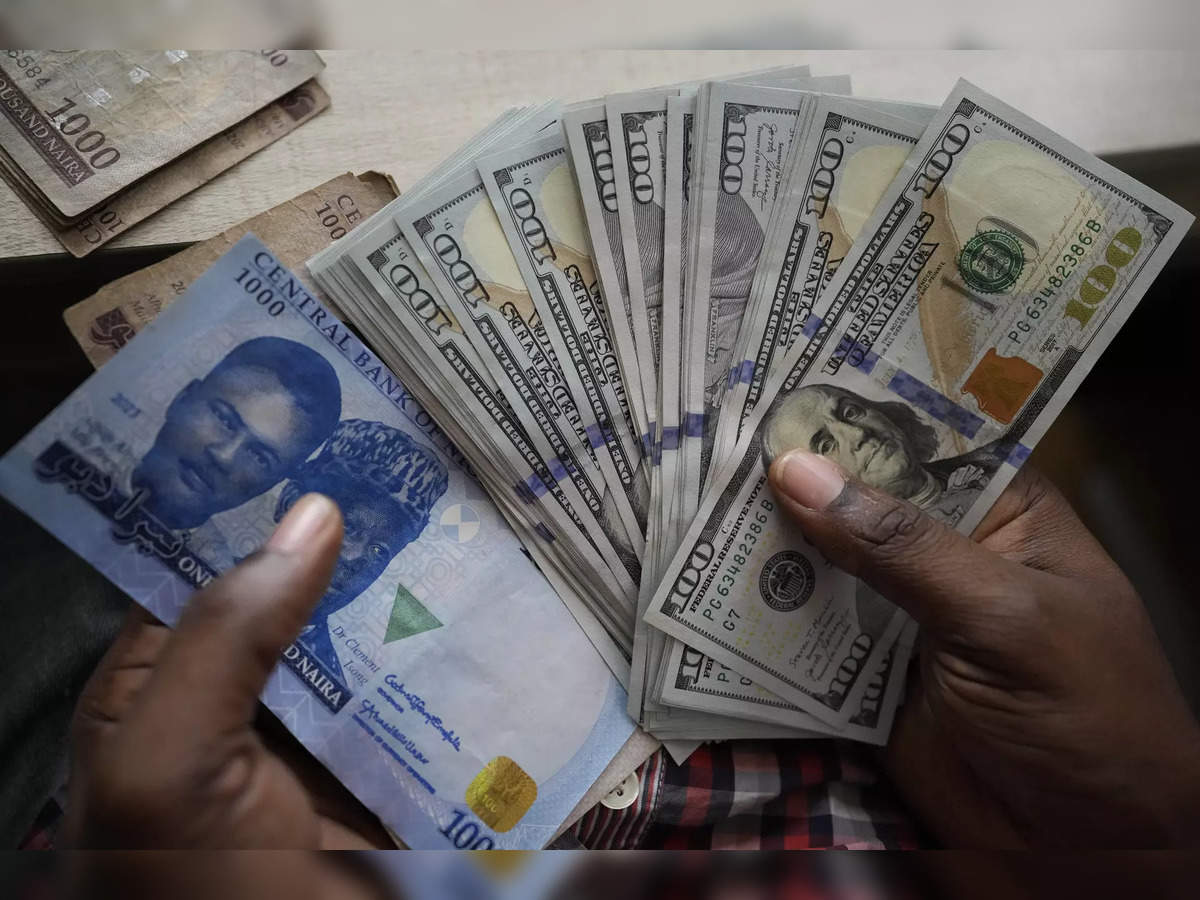
The BRICS (Brazil, Russia, India, China, and South Africa) nations have emerged as a formidable force in the global economy, collectively representing significant Buy brics currency online economic power and influence. As part of their quest for greater autonomy and recognition in the international financial arena, the idea of a BRICS currency has gained momentum. This article explores the concept of the BRICS currency as more than just a monetary unit but as a symbol of collective economic strength and solidarity among member states.
Unity in Diversity:
The BRICS countries encompass a diverse array of economies, cultures, and geopolitical interests. Despite these differences, they share a common aspiration for greater economic autonomy and a desire to challenge the dominance of traditional western financial systems. The notion of a BRICS currency reflects the unity in diversity among member states, symbolizing their shared commitment to fostering cooperation, mutual prosperity, and resilience in the face of global economic challenges.
Challenging Western Hegemony:
The proposal for a BRICS currency represents a direct challenge to the hegemony of Western powers in the international financial system. By reducing reliance on major international currencies such as the US dollar and the euro, BRICS countries seek to assert greater control over their monetary policies and economic destinies. The BRICS currency serves as a symbol of resistance against Western dominance and a manifestation of the collective strength and determination of emerging economies to carve out a more equitable and inclusive global financial order.
Promoting Economic Sovereignty:
The BRICS currency embodies the concept of economic sovereignty for member states, providing them with a means to assert their independence and pursue their development agendas on their own terms. By reducing dependency on external financial institutions and promoting South-South cooperation, the BRICS currency empowers member states to chart their economic futures free from the constraints of Western-centric financial systems. It symbolizes the collective determination of BRICS countries to break free from economic hegemony and forge their path towards prosperity.
Fostering Trade and Investment:
A unified BRICS currency has the potential to streamline trade and investment flows among member states, reducing transaction costs, currency exchange risks, and reliance on third-party currencies. By promoting the use of national currencies in trade settlements and investment transactions, the BRICS currency facilitates greater economic integration and cooperation within the bloc. It serves as a symbol of solidarity and partnership, fostering mutual prosperity and resilience in the face of global economic uncertainties.
Navigating Challenges:
While the concept of a BRICS currency symbolizes collective economic strength, it also faces numerous challenges and obstacles. Economic divergences among member states, institutional capacity constraints, geopolitical tensions, and external pressures from Western powers are among the key challenges that must be addressed. However, by fostering strategic cooperation, dialogue, and resilience-building measures, BRICS countries can overcome these challenges and realize the full potential of the BRICS currency as a symbol of collective economic strength and solidarity.
Conclusion:
The BRICS currency represents more than just a monetary unit; it symbolizes the collective economic strength, resilience, and determination of emerging economies to challenge the dominance of traditional western financial systems. As a symbol of unity in diversity, resistance against Western hegemony, and empowerment of member states, the BRICS currency embodies the aspirations of BRICS countries to forge a more equitable and inclusive global financial order. While challenges remain, the vision of a BRICS currency serves as a beacon of hope and possibility for a more balanced and prosperous world.