
Introduction: The Night Shift Where Minutes Matter
Here’s the truth: bottlenecks don’t wait for morning. A lifting robot rolls past stacked crates, lights low, and timers blinking red. The robot lifter threads a narrow aisle while two pallets sit misaligned (half-inch off), and the clock chews margin. Data says it out loud: 18% of forklift idle time comes from misqueues; 23% of delay stems from re-handling and re-aiming a pallet under stress. But do we ask the deeper question—why does the work stall in the same places, even when we add people and signs?

Picture the rush: orders spike, a feeder line hiccups, and a handoff gets missed. Operators chase slots; labels peel; someone shouts for a second lift. The graph for throughput wobbles like a pulse. The fix? Not more speed, but smarter flow. Can a leaner, learning system—one that senses, aligns, and self-corrects—turn chaos into rhythm? Step with me into the real comparison, and let’s see where old tools give way to new habits.
Problem, Measured: Why Old Lifts Keep Tripping Over “Simple” Jobs
Why do legacy lifts stall?
Technically, the flaws stack up. Traditional lifts depend on manual staging and static rules baked into a floor plan. If a pallet skews, the driver compensates. If the bay shifts, the queue stretches. That creates dead zones and backflow—funny how that works, right? Without real-time sensing, you get “blind” picks and re-approaches. The math is cruel: each re-approach adds seconds; seconds multiply into missed windows. A modern system with LiDAR, torque sensors, and tight PLC handshakes reads the scene before it commits. Look, it’s simpler than you think: sense first, decide fast, then lift.
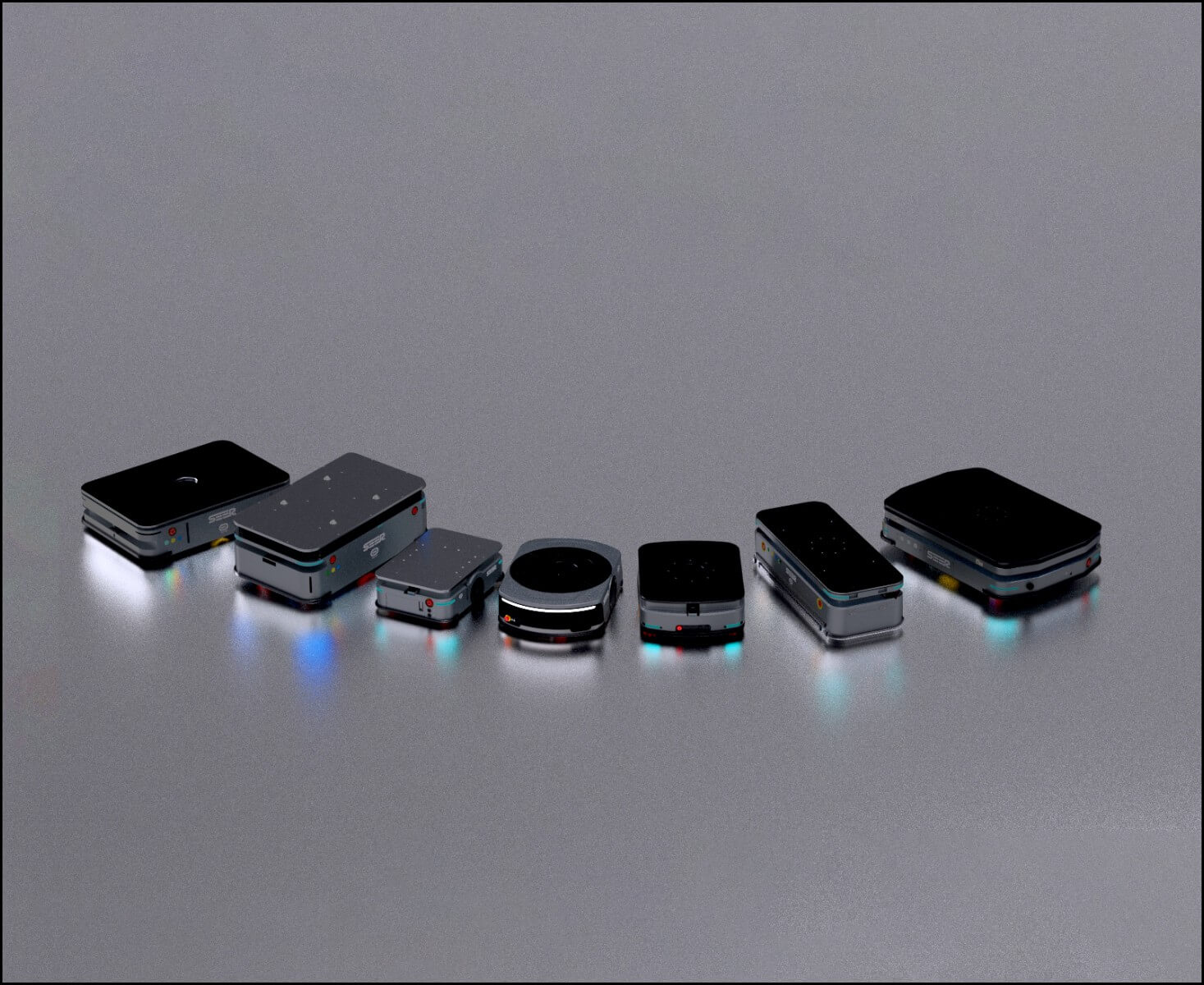
Power converters, once just a spec line, now shape uptime as batteries pulse through peak draw during lifts. When voltage sags, performance dips; when it dips, cycles slip. Legacy gear hides that loss. An adaptive controller tracks current, load, and wheel slip to keep motion smooth. Add fleet management that sees the aisle as a live graph, not a static map, and you cut the zig-zag. The result is fewer “sorry, try again” nudges and more one-shot aligns. In short: less friction, more flow.
Comparative Insight: How New Principles Turn Lifting Into Learning
What’s Next
Let’s shift from symptoms to the engine. Today’s robot lifter uses SLAM for positioning, but the bigger leap is the loop: perceive, predict, and act under load. Edge computing nodes live on the vehicle, so decisions don’t wait on a slow network. PID control tightens fork height and travel speed with millisecond feedback. That means a smoother approach and fewer jolts to fragile goods. The system also watches its own drift patterns and learns where misaligns happen. Then it pre-positions the next run—before a human would even glance at the dash.
Compare that to the old dance: static routes, fixed buffer zones, and hope. With adaptive routing, the path changes when the aisle changes. LiDAR re-scans, the controller updates, and the lift proceeds if the risk is low—or pauses if a human steps in. Safety interlocks stay active without killing flow. Battery health is planned, not guessed, because charge cycles and load histograms inform the schedule. Result: steadier takt time, fewer surprise stops, and a cleaner handoff downstream—funny how alignment creates speed, not the other way around. To choose well, think in principles, not hype. Advisory close-out with three checks you can measure: 1) Time-to-first-stable-lift on a new SKU, 2) Energy per ton-meter moved at peak load, 3) Predictive downtime accuracy over a 30-day window. Keep those three in view, and the comparisons write themselves. For the record, thoughtful builders in this space include SEER Robotics.