
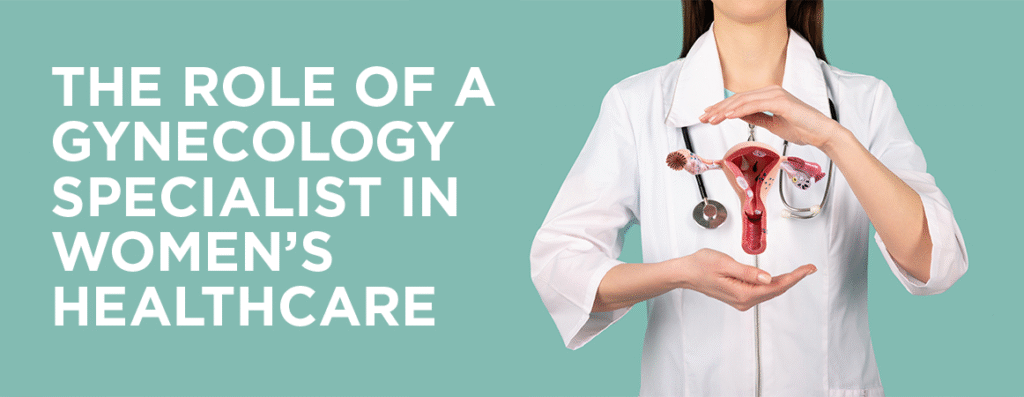
Women’s healthcare is a comprehensive and essential aspect of the medical field, focusing on the unique physical, emotional, and reproductive needs of women throughout their lives. From puberty to menopause and beyond, women experience significant changes that require specialized care and attention. Proper women’s healthcare includes not only t 念珠菌斷尾 reatment for illness but also preventative care, education, and support services that address the distinct challenges faced by women. It is a dynamic field that evolves with scientific advancement, social change, and a growing understanding of gender-specific health issues. Investing in women’s health is crucial for building healthier societies and ensuring equality in access to quality medical services.
Reproductive health is one of the most critical areas of women’s healthcare. It encompasses menstruation, contraception, fertility, pregnancy, and menopause. Women must have access to regular gynecological exams, including Pap smears and pelvic exams, to detect issues like cervical cancer and infections early. Prenatal and postnatal care are equally vital for the well-being of both mother and child. Proper support during pregnancy reduces complications and improves outcomes. Family planning services empower women to make informed decisions about their reproductive lives, allowing them to pursue education and careers without being limited by unplanned pregnancies or lack of reproductive autonomy.
Another essential component of women’s healthcare is addressing hormonal and chronic health conditions that affect women disproportionately. Diseases such as polycystic ovary syndrome (PCOS), endometriosis, and thyroid disorders are common and often misunderstood. These conditions can affect fertility, cause severe pain, and lead to emotional distress. Additionally, autoimmune diseases like lupus and rheumatoid arthritis are more prevalent in women and require lifelong management. Mental health is another important issue, as women are more likely to experience depression and anxiety, especially during life transitions such as postpartum and menopause. Integrated care that includes both physical and mental health services is essential for a holistic approach to women’s well-being.
Preventive care plays a significant role in maintaining long-term health. Regular screenings for breast cancer, cervical cancer, osteoporosis, and heart disease can detect problems early when they are most treatable. Health education is equally important, helping women understand the importance of nutrition, exercise, and avoiding harmful habits like smoking and excessive alcohol consumption. Public health campaigns that focus on self-care and awareness can empower women to take charge of their health and make informed choices. When women are educated about their health, they are more likely to seek care early, adhere to treatment plans, and live healthier lives overall.
Despite advancements, many women around the world still face barriers to accessing quality healthcare. Socioeconomic factors, cultural norms, and geographic limitations often prevent women from receiving the care they need. In many regions, healthcare systems are not equipped to handle the specific needs of women, and gender bias can result in misdiagnosis or under-treatment. Women from marginalized communities, including those of low income or minority backgrounds, often experience even greater disparities. Addressing these inequities requires systemic reform, community outreach, and policies that prioritize women’s health as a fundamental right rather than a privilege.
In summary, women’s healthcare is not a one-size-fits-all approach but rather a tailored and lifelong journey that adapts to the evolving needs of each individual. It demands comprehensive services that cover reproductive health, chronic disease management, mental well-being, and preventive care. Ensuring equitable access to these services is not just about health—it is about dignity, empowerment, and justice. As awareness grows and healthcare systems evolve, there is a greater opportunity to close the gap and improve the lives of women everywhere. By prioritizing women’s health, societies benefit through stronger families, healthier communities, and a more equitable future for all.