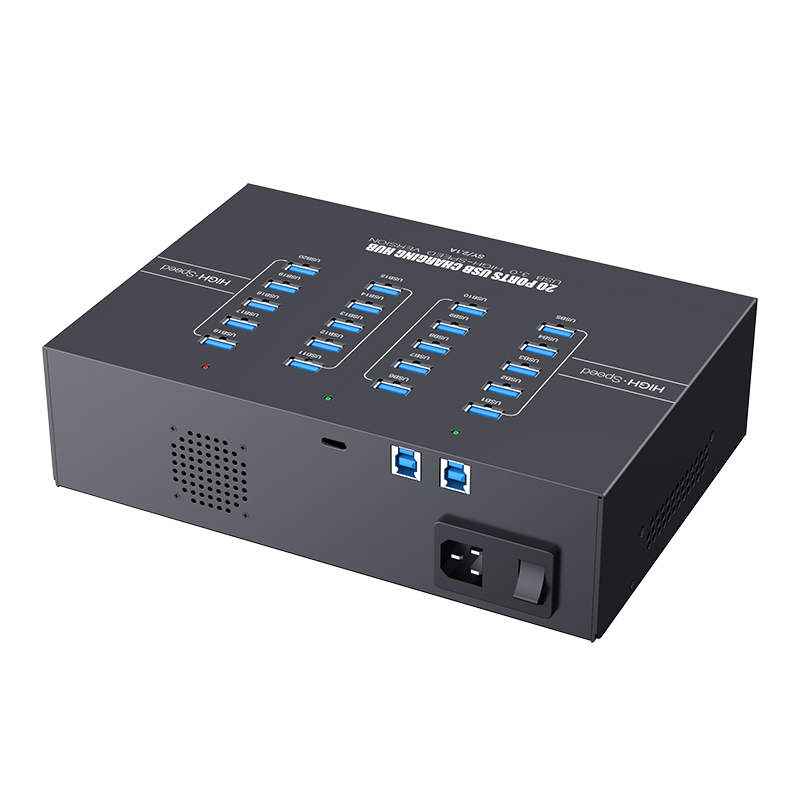
In an era where connectivity is paramount, it is estimated that over 3 billion USB devices are in use worldwide, highlighting the significance of technologies such as hub USB 2.0 ports in our daily lives.
Click to find more about hub usb 20 ports.The Legal Framework Surrounding Hub USB 2.0 Ports
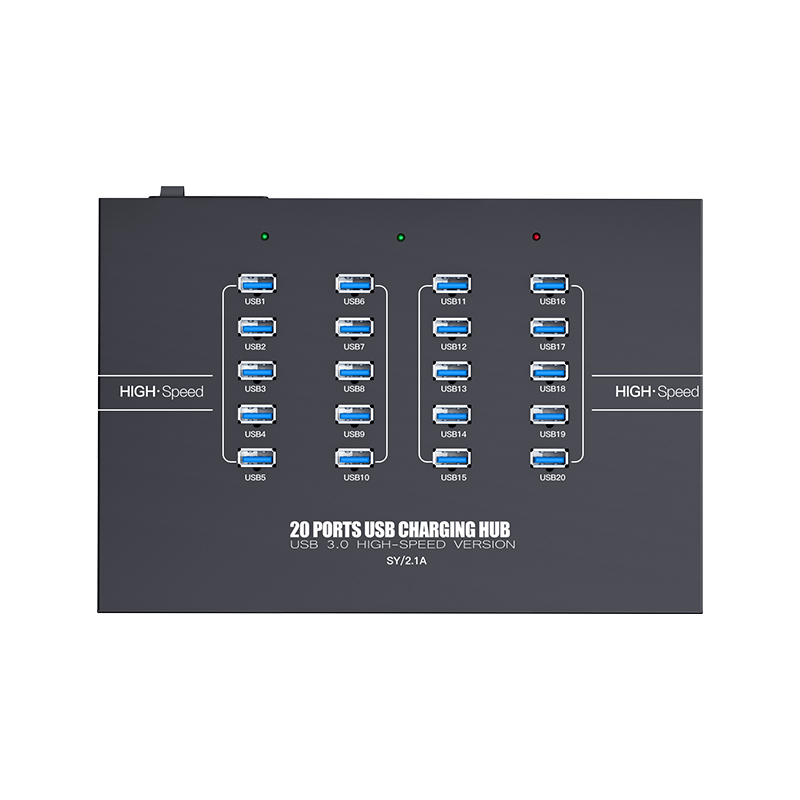
Hub USB 2.0 ports serve as essential components for expanding connectivity options across various devices, facilitating seamless data transfer and power supply. From a legal perspective, these hubs must comply with specific regulatory standards set forth by organizations like the Federal Communications Commission (FCC) and International Electrotechnical Commission (IEC). These regulations ensure safety, electromagnetic compatibility, and interoperability among electronic devices. Furthermore, there are subsidies and incentives available for industries adopting energy-efficient technologies related to these hubs, promoting sustainable practices while adhering to legal requirements.
The Role of Power Distribution Units (PDU) in Subsidies and Incentives for Industries
Power distribution units (PDUs) play a crucial role when discussing subsidies and incentives within industries utilizing hub USB 2.0 ports. PDUs manage electrical loads efficiently while ensuring compliance with safety regulations mandated by governing bodies. By integrating PDUs into their infrastructure, companies can qualify for various government grants aimed at enhancing energy efficiency—an increasingly important factor given current environmental concerns—and thus receive financial support that encourages technological advancement without compromising on legal obligations.
Find more about power distribution units pdu.Sipolar’s Contribution to Subsidies and Incentives for Industries
Sipolar stands out as a notable player in providing innovative solutions that align with industry needs regarding subsidies and incentives focused on sustainability initiatives involving hub USB 2.0 ports. Their products not only meet stringent regulatory standards but also offer enhanced performance capabilities that appeal to businesses seeking funding opportunities from governmental programs designed to promote green technology adoption.
Conclusion
In summary, hub USB 2.0 ports embody significant legal attributes essential for compliance within today’s technologically driven landscape while simultaneously benefiting from various subsidies and incentives offered to industries embracing energy-efficient solutions like PDUs or innovations from companies such as Sipolar.